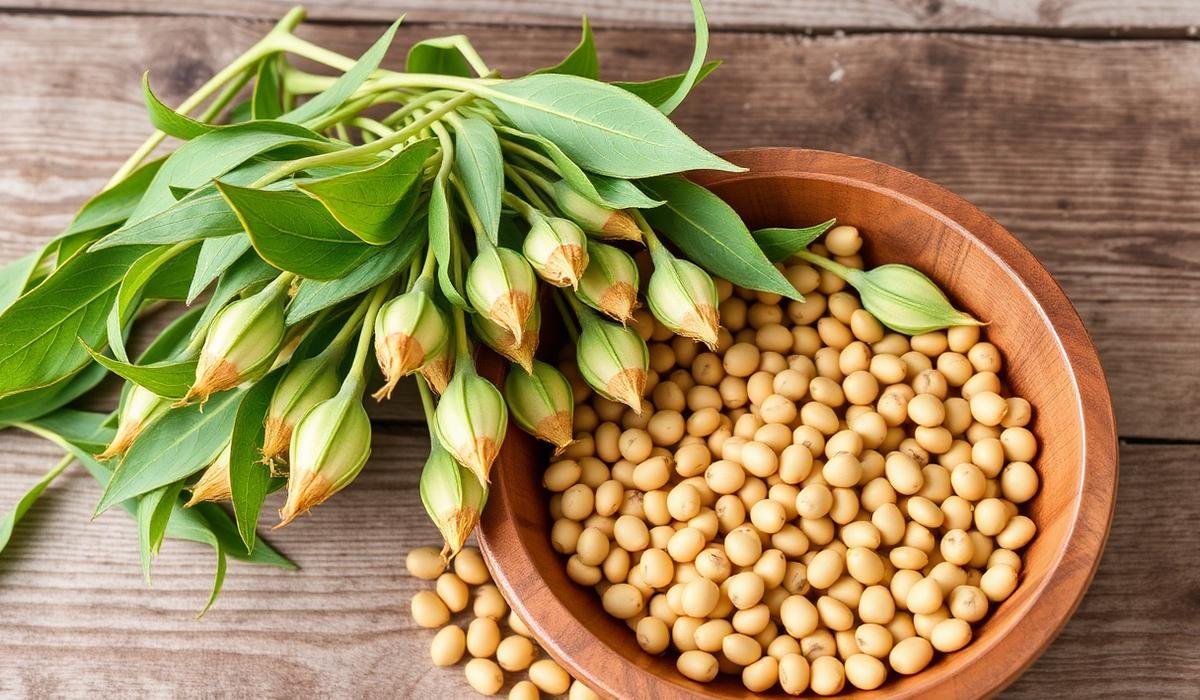
The global trade landscape is a complex web of interconnecting economies, each playing a unique role in shaping the dynamics of international commerce. Among the myriad of commodities traded globally, soybean meal stands out as a crucial component in the realm of agricultural trade. In recent years the spotlight has turned towards Iran, the UAE and Bangladesh as leading buyers of Indian soybean meal, highlighting the intricate relationships that govern global trade patterns. This essay explores the factors driving the prominence of these nations in the Indian soybean meal market and the implications for international trade.
Iran’s Appetite for Indian Soybean Meal
Iran emerges as a significant player in the Indian soybean meal market, driven by its burgeoning demand for livestock feed. Despite being a major oil-producing nation, Iran’s agricultural sector relies heavily on imports to meet domestic requirements. Its vast livestock industry — comprising poultry, cattle and aquaculture — fuels the demand for soybean meal as a primary source of protein-rich feed. India, with its robust soybean production and competitive pricing, has become a preferred supplier for Iran’s livestock sector.
Geopolitical factors further bolster Iran’s reliance on Indian soybean meal. Amidst international sanctions and geopolitical tensions, Iran seeks to diversify its trade partners, reducing its dependence on traditional suppliers. India, with its diplomatic overtures and strategic alliances, emerges as a reliable partner for Iran’s agricultural needs. The symbiotic relationship between the two countries in soybean meal trade underscores the multifaceted nature of geopolitical dynamics shaping global commerce.
The UAE: A Hub of Trade and Commerce
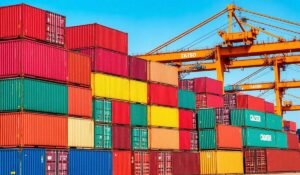
The United Arab Emirates has become a pivotal player in the Indian soybean meal market, leveraging its strategic location and robust trade infrastructure. Situated at the crossroads of global trade routes, the UAE serves as a vital transshipment hub, facilitating the flow of commodities between East and West. Its modern ports and logistical capabilities make it an attractive destination for Indian soybean meal exports, catering not only to domestic demand but also serving as a gateway to markets across the Middle East and North Africa (MENA) region.
The UAE’s diversification efforts and investment in agriculture drive its demand for soybean meal as a critical component in livestock feed production. As the UAE seeks to enhance food security and reduce reliance on imports, Indian soybean meal emerges as a cost-effective solution for its growing livestock sector — fostering economic prosperity for both nations.
Bangladesh: Navigating Challenges, Embracing Opportunities
Bangladesh has become a significant importer of Indian soybean meal, driven by its expanding poultry and aquaculture industries. Despite being a densely populated nation with limited arable land, Bangladesh has made significant strides in agricultural productivity by leveraging technological advancements and policy reforms. However, its burgeoning livestock sector faces challenges related to feed availability and affordability, prompting reliance on imports to meet demand.
Indian soybean meal is a preferred choice for Bangladesh, owing to its quality, affordability and proximity. As Bangladesh aims to enhance self-sufficiency in food production and reduce dependency on imports, Indian soybean meal plays a crucial role in bridging the gap between supply and demand. Bilateral trade agreements and economic cooperation initiatives further strengthen relations, paving the way for sustained collaboration in the agricultural sector.
Implications for Global Trade
The prominence of Iran, the UAE and Bangladesh as leading buyers of Indian soybean meal underscores the intricate interplay of economic, geopolitical and agricultural factors shaping global trade dynamics. As emerging economies strive for self-sufficiency in food production and seek to mitigate the impact of external shocks, the importance of reliable trade partners and diversified supply chains becomes paramount.
The case of Indian soybean meal exemplifies the potential for South-South cooperation in agricultural trade, where developing nations collaborate to address common challenges and harness mutual opportunities. By fostering synergies and leveraging comparative advantages, countries can enhance food security, promote economic development and foster sustainable agricultural practices.
Conclusion
The prominence of Iran, the UAE and Bangladesh as leading buyers of Indian soybean meal underscores the interconnectedness of nations in the global trade ecosystem. As these countries navigate the complexities of agricultural trade, opportunities abound for collaboration, innovation and inclusive growth — paving the way for a more resilient and sustainable future for global agriculture.